
Call us now :08045801660
 Send Inquiry
 Send Inquiry
Mixed Bed Deionization Plant
MOQ : 1 Piece
Mixed Bed Deionization Plant Specification
- Type
- Mixed Bed Deionization Plant
- Material
- Stainless steel
- Computerized
- No
- Automatic Grade
- Semi-Automatic
- Control System
- Human Machine Interface
- Drive Type
- Electric
- Color
- Blue
Mixed Bed Deionization Plant Trade Information
- Minimum Order Quantity
- 1 Piece
- Payment Terms
- Cash in Advance (CID)
- Supply Ability
- 9 Pieces Per Month
- Delivery Time
- 3 - 4 Days
- Main Domestic Market
- All India
About Mixed Bed Deionization Plant
We have come up with a Mixed Bed Deionization Plant a water treatment plant that uses a resin bed containing a mixture of cationic & anionic resins to remove minerals as well as salts from water. The cationic resin removes positively charged ions, while the anionic resin removes negatively charged ions, resulting in highly purified water. This type of system is commonly used in industries that require very high-purity water, such as pharmaceuticals & electronics manufacturing. The Mixed Bed Deionization Plant must be regenerated periodically to restore the resins effectiveness in removing impurities.
Advanced Deionization Performance
This Mixed Bed Deionization Plant employs both cation and anion resins, efficiently removing ionic contaminants from water. Its design and control system ensure high purity output, suitable for industries where water quality is paramount.
Rugged and Reliable Construction
Manufactured with stainless steel, this plant is resistant to corrosion and structural damage. Its semi-automatic controls reduce the dependence on extensive manual intervention, improving operational reliability without complex computerized systems.
FAQs of Mixed Bed Deionization Plant:
Q: How does the Mixed Bed Deionization Plant operate?
A: The plant functions by passing water through a mixed bed of cation and anion exchange resins, which efficiently remove dissolved ions. The semi-automatic system, managed by a Human Machine Interface, allows for streamlined control and monitoring of the purification process.Q: What are the benefits of using a semi-automatic deionization plant?
A: Semi-automatic plants offer a balance between automation and manual control. They ensure reliable water quality with easier maintenance, lower costs compared to fully automated systems, and user-friendly interfaces that dont require advanced technical skills.Q: When is a Mixed Bed Deionization Plant needed in industrial settings?
A: Such a plant is essential whenever a high level of water purity is required, typically in pharmaceutical manufacturing, electronics production, laboratories, and power plants to prevent scaling and contamination.Q: Where is this deionization plant manufactured and supplied?
A: The plant is manufactured and supplied in India, serving domestic industries with robust, locally supported water purification solutions.Q: What materials are used in the construction of the Mixed Bed Deionization Plant?
A: The plants structure is fabricated using high-grade stainless steel, offering durability and resistance to corrosion, while its blue finish provides a professional appearance.Q: How is the process controlled and monitored without computerization?
A: Despite lacking computerized systems, the plant utilizes a Human Machine Interface. This allows operators to easily manage settings, monitor ion exchange performance, and conduct maintenance with minimal training.Q: What are the main industrial applications for this deionization plant?
A: The main applications include processes that demand ultrapure water, such as pharmaceutical preparation, electronic component manufacturing, chemical processing, and research laboratories.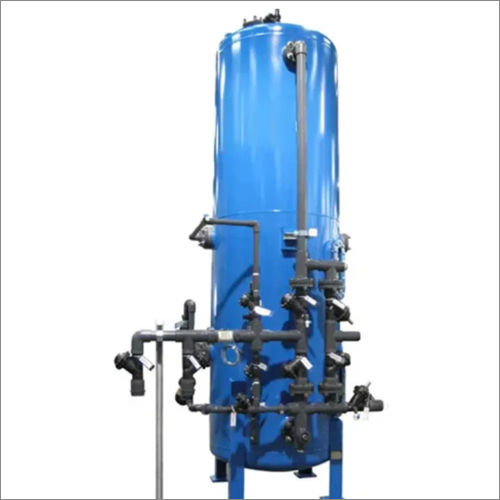
Tell us about your requirement

Price:
Quantity
Select Unit
- 50
- 100
- 200
- 250
- 500
- 1000+
Additional detail
Mobile number
Email


 Send Inquiry
Our Products
- DM Plant
- Electro Polished Tubes And Fittings
- High Purity Water Generation System
- High Purity Water Storage System
- Mixed Bed Deionization Plant
- Mixed Bed Polisher
- Ozonisation System
- Water Pre Treatment
- Pure Steam Generator
- RO EDI System
- Sanitary Heat Exchangers
- Sanitary Pumps
- SS Tanks And Housing
- WFI Generation Plant

B2/U19, A-1 Industrial Complex, Post Taluka Kaman, Vasai (East), Vasai - 401107, Maharashtra, India

 Send Inquiry
 Send SMS
Developed and Managed by Infocom Network Private Limited.
